On September 11th, 2001, I was just starting my junior year at Washington State University. I was asleep in my sky bunk when I heard screams coming down the basement hall.
“Get up. Get up. Airplanes are flying into buildings. We are under attack.”
At the time, it felt that way.
A few weeks prior I had taken the red line PATH Train from New Jersey Institute of Technology into Manhattan, getting off at the World Trade Center station to see the sights.

My story is nothing like those people who were late to work on 9-11, escaping death because they stopped for a cup of coffee, but it felt closer.
“I was just there.”
Back at school, I had let the cable bills pile up over the summer, so we didn’t have TV. We watched all the updates through school-provided ethernet. This was before YouTube and Facebook, so we watched these early, pixelated, internet videos frame by choppy frame.
In the coming months, we had friends sign up for service. Others who were already enlisted got deployed.
“Most of what people call ‘conviction’ is a willful disregard for new information that might make you change your mind,” Morgan Housel said, “that’s when beliefs turn dangerous.”
We had conviction in a lot of things after 9-11.
People were deployed with the belief that they were defending our freedom, extracting some revenge, or embarking on an adventure.
Who did it?
Why?
Lots of information was coming in about the attacks.
What I’ve learned is this:
New information is a dime a dozen.
New beliefs are as rare as the Dodo.

More information, new information:
We can feel a single drop of precipitation on our skin and instinctually understand that rain is coming. That drop is paired with some changing winds, a change in pressure, and you’ll be sure a storm’s-a-brewin’.
The drop is MORE information, but nothing NEW, so you can pattern match and predict because you’ve seen this movie before. Information supporting prior beliefs moves quickly.
We have an underlying desire for MORE information. That’s why we doom scroll X. We want more.
Compare MORE information with NEW information.
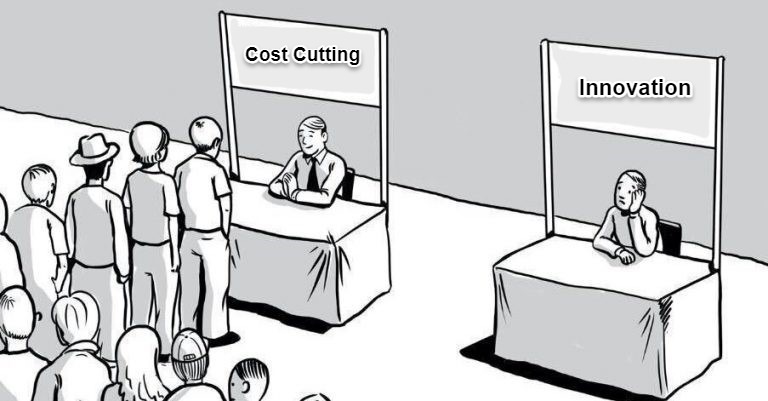
NEW information is not what people really want. It’s uncomfortable. What people are actually interested in is familiar information. Reinforcing information, they know what to do with. The type of information that fits neatly into the narrative they have already constructed. Fits the framework they’ve borrowed from friends and family.
We’d sound pretty strange asking for more of the same.
“Hey, can you send over some of the same information I already have? I love the stuff. Something that matches what I already think would be great. Thanks.”
But that’s what we do. With our actions at least.
We tune in to watch Tucker tell us things we already think. We watch Rachel call out people we already hate.
No NEW information in sight. Just that little familiar drop of precipitation on the skin. We’ll take it from here.
Tucker and Rachel could take a piss on their viewer’s legs and tell them it’s raining. The audience would start checking the couch cushions for a poncho.
But the big stuff comes from NEW information and NEW sources. The stuff that’s so hard to hear.
The information we love to ignore.

New information about Brad, the Pike:
In 2006 I was visiting a friend in Seattle. He had a condominium overlooking Lake Union. They had a rooftop deck where you could catch the fireworks. It was a pretty slick spot, and we were feeling good about ourselves.
Until a huge yacht cruised across the water.
“Remember Brad, the Pike?”
“Sure do. Douchebag.”
“Right. That’s his yacht.”
I was eavesdropping so names and frats might be off a smidge, but that was the basic idea.
It stuck with me. That someone our age could be making that kind of cash. Everyone I knew making lots of money was selling shitty mortgages, something I tried my hand at as well, so I interrupted, “Does he sell mortgages?”
“Derivatives. He trades real estate derivatives.”

Nobody had a clue what the hell that was, but it certainly qualifies as some NEW information. A 25-year-old douchebag was making enough to buy a million-dollar boat doing something nobody ever heard of. Maybe things had gotten a little hot in the housing market.
Instead, because of how we are programmed, we didn’t listen to the NEW information and build any NEW beliefs. Instead, we interpreted his success through the lens we were taught to use. He must be crazy smart at math or working one hundred hours a week or both.
We had conviction on that as well.
Even when NEW information is present, we can fool ourselves and interpret it as MORE information. Fueling our current beliefs.
Back to 9/11:
This leads me back to September 11th, 2001. An event that I never understood until reading The Looming Tower, by Lawrence Wright.
Here is how the NEW information came in preceding the attacks. NEW information that was mostly ignored.
July 10, 2001, An FBI agent in Phoenix, Kenneth Williams, sent an alarming electronic communication to headquarters, to Alec Station, and to several agents in New York. “The purpose of this communication is to advise the bureau and New York of the possibility of a coordinated effort by Osama bin Laden to send students to the United States to attend civil aviation universities and colleges,” the note said. Williams went on to advise headquarters of the need to make a record of all the flight schools in the country, interview the operators, and compile a list of all Arab students who had sought visas for flight training.
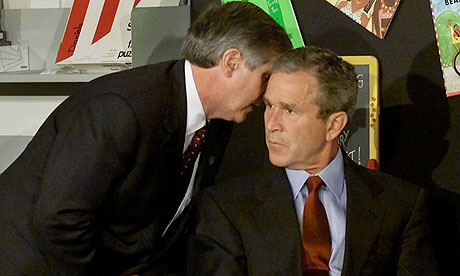
August 6, 2001, President George W. Bush received the President’s Daily Brief Bin Ladin Determined To Strike in US warning of an imminent attack on the United States by al-Qaeda.
August 15, 2001, a flight school in Minnesota contacted the local FBI field office regarding a student, Zacarias Moussaoui. He had asked suspicious questions about the flight patterns around New York City and whether the doors of a cockpit could be opened during flight.
September 11, 2001, four commercial airplanes were hijacked by the terrorist group, al-Qaeda, two of them were flown into the World Trade Center twin towers in Manhattan killing over 3,000 people.
We had information. It’s just that the NEW stuff is so tricky sometimes.
We had all sorts of NEW information that nobody wanted to hear, from sources nobody wanted to trust.
Instead, we rooted around for MORE information. MORE information that fit our narrative and what we’d been taught over the years.
And then we invaded Iraq.
If the briefings had said Saddam Hussain was planning these attacks, the nation would have been on red alert. Information supporting prior beliefs moves quickly. Like that little drop of precipitation.
We didn’t need MORE we needed different. We needed NEW. And we had what we needed.
New information is a dime a dozen.
New beliefs are as rare as the Dodo.
Start there.
The next time you ask for MORE information, stop, think, and understand that you likely have what you need, but it’s NEW, so you are discrediting it, or ignoring it altogether.
The next time someone asks you for MORE information, think about it from their perspective. How can you rephrase or reframe to get the message across more clearly? To get them to hear and understand the NEW stuff.
Because the NEW stuff is tricky sometimes.



What do you think?