
Listen to this post: Apple Podcasts | Spotify | YouTube
If you missed Magic Pills, Volume One: The Body, you can correct that now.
I remember my first cold plunge.
It was Christmas Eve and we were stuck in Gilroy, California. A cool evening, but the hotel pool looked inviting.
I jumped in headfirst.
Immediately, I realized it wasn’t heated, and probably never had been. Frigid water slammed every nerve. I scrambled out screaming, winded, and wrapped myself in a towel. But the shivers never came.
And then I felt it. Warmth. Tingling. Invigoration.
I was hooked. Whenever I encountered water—high mountain lakes on backpacking trips, coastal plunges, even half-frozen streams—I jumped in.
That’s been my approach to these magic pills: try it, jump in, see how it feels, and keep what works. Plenty didn’t—bulletproof coffee, extreme fasting protocols.
What did? The stuff below.
the brain doesn’t have a separate mood department and a separate performance department. The same systems that regulate how you feel also determine how sharp you are. Inflammation, circadian rhythm, neurotransmitter balance, cellular energy—fix the underlying machinery and you get steadier mood and clearer thinking. Break it, and both go at once.
That’s why the protocols below show up in depression studies and cognitive performance studies. They’re not doing two different jobs. They’re doing one job, and you’re getting the benefits on both axes.
Five magic pills. All cheap. All backed by real research. All working on the underlying systems instead of papering over symptoms.
Morning Sunlight (Circadian Reset + Mood Regulation + Daytime Sharpness)
The Magic: Morning light resets your circadian clock, increases daytime alertness and serotonin production, and substantially reduces depressive symptoms. Effect sizes are comparable to SSRIs in both seasonal and non-seasonal depression. Thirty minutes of bright morning light shows a 60–80% response rate in Seasonal Affective Disorder and a 50–67% response rate in non-seasonal major depression, matching fluoxetine in head-to-head trials. Meta-analyses show reductions in depression scores of 0.6–1.0 standard deviations—a large clinical effect.
The cognitive benefits arrive faster than the mood benefits. Reaction times improve 10–20% within 15–30 minutes of bright morning light exposure. Working memory, sustained attention, and psychomotor vigilance all show measurable gains. Brighter light, bigger effect.
What to Do: Get outside within one hour of waking for 10–30 minutes. Skip the sunglasses. If you live up north and it’s dark, use the brightest indoor lights available, then get outside as soon as the sun rises.
Why It Works: Morning light is the master signal for your circadian system. It suppresses melatonin, triggers the cortisol awakening response, and synchronizes serotonin production with daylight. Downstream effects include improved sleep timing, better appetite regulation, and more stable energy levels across the day. As a bonus, people exposed to brighter light earlier in the day consistently show lower BMI, likely reflecting better circadian alignment and healthier downstream behaviors.
Andrew Huberman calls morning sunlight “the most powerful non-pharmacological tool for regulating mood, focus, and sleep.” He’s right. I’ve recommended this magic pill to anyone and everyone who will listen. It’s free, it’s fast, and it fixes problems you didn’t realize were connected.
Key Studies: JAMA Psychiatry Meta-analysis (2024), Frontiers in Public Health (2023), 31 studies, n=1,031, PLoS ONE (2014) on light exposure and BMI, ScienceDirect (2020) 23 RCTs, n=1,120

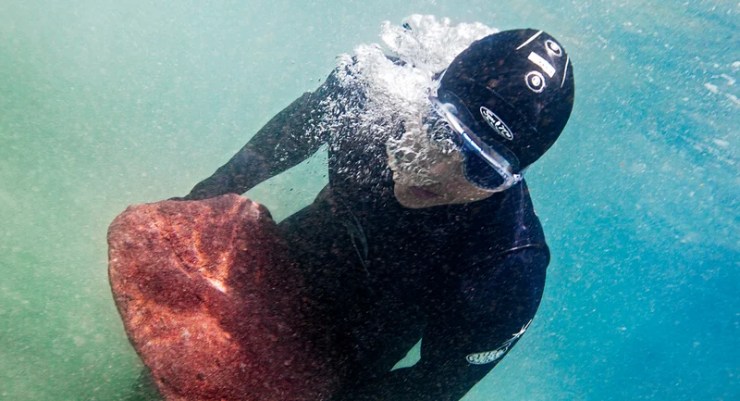
Cold Exposure (Acute Mood + Focus + Metabolic Activation)
The Magic: Brief cold exposure produces a rapid, sustained surge in norepinephrine (200–300%) and a meaningful dopamine increase that can last for hours. Daily 2–3 minute cold showers over 4 weeks reduce depressive symptoms by ~35–50% in young adults—comparable to SSRI response in mild-to-moderate depression. Longer-term winter swimming cohorts show sustained 40–60% reductions in depression scores over several months.
The same neurotransmitter surge that lifts mood also sharpens focus. The norepinephrine spike improves attention and reaction time for hours after exposure—it’s why people describe post-plunge mental clarity as much as the mood lift. As a bonus, cold exposure improves insulin sensitivity by ~20% through activation of brown adipose tissue, increasing energy expenditure and glucose disposal.
What to Do: Finish showers with 2–5 minutes of cold exposure, 3–5× per week. Water should be uncomfortably cold but controlled—you should be able to breathe steadily. Alternatively, use a cold plunge for 2–4 minutes. Consistency matters more than intensity.
Why It Works: Cold exposure is a short, intense, controllable stressor that activates the sympathetic nervous system without becoming chronic. The immediate norepinephrine spike sharpens focus, elevates mood, and increases alertness; dopamine rises more slowly and stays elevated, improving motivation and drive. Repeated exposure trains stress resilience by pairing a strong physiological stress signal with rapid recovery.
Want to dial in your protocol? I built a cold exposure calculator that shows optimal duration based on water temperature and your goals—whether you’re chasing metabolic benefits or just trying not to be a wimp.
In 1890, van Gogh’s doctor prescribed cold plunges for his depression—more than a century before we understood the mechanism. Wim Hof says, “The cold is merciless, but righteous. It will show you where you are weak, and it will make you strong.”
Key Studies: RCT (2022), n=40, RCT (2008), European J Applied Physiology (2008): Cold & Norepinephrine, J Clin Invest (2013): Cold & BAT

High-EPA Fish Oil (1–2g EPA Daily)
The Magic: High-EPA omega-3 supplementation (≥1g/day) reduces depressive symptoms (effect size ~0.5–0.7), comparable to SSRIs—without sexual side effects, emotional blunting, or weight gain. Works as a standalone or adjunct. But that’s just the mental health benefit. The same mechanism that stabilizes mood also reduces cardiovascular mortality and systemic inflammation by 20-40%.
The cognitive benefits show up at every life stage. EPA and DHA support processing speed, working memory, and attention in healthy adults, and slow age-related cognitive decline in older adults.
The brain is roughly 60% fat by dry weight, and DHA—one of the two main omega-3s in fish oil—is built directly into the membranes of your neurons. You’re not just feeding your brain when you take fish oil. You’re literally giving it the raw material it’s made of.
What to Do: Take 2–4g of quality fish oil daily, targeting ≥1–2g EPA with a high EPA:DHA ratio (≥2:1). Alternatively, eat 2–3 tins of sardines per week. Consistency matters more than timing.
Why It Works: EPA reduces inflammation at the cellular level—both neuroinflammation (improving mood, neurotransmitter signaling, and BDNF expression) and systemic inflammation (lowering CRP, IL-6, and TNF-α by ~20–40%). Your brain gets steadier. Your heart gets healthier. Your whole system benefits.
The Inuit paradox puzzled researchers for decades: how could a population eating massive amounts of fat—seal, whale, fatty fish—have such low rates of heart disease? The answer was 5-10g of omega-3s daily. Most Americans get less than 200mg. Fish oil isn’t sexy. It doesn’t give you a buzz. But run it for 8-12 weeks and the effects compound: steadier mood, lower inflammation, better recovery. It’s one of the few supplements that works on multiple systems simultaneously—brain, heart, joints, metabolism. Rhonda Patrick says, “If you’re only going to take one supplement, make it this.”
Key Studies: Nature Translational Psychiatry (2019), 26 RCTs, n=2,160, 2011 meta-analysis, EPA ≥60% effective
Fermented Foods (Gut Integrity + Inflammation Control)
The Magic: 2–4 servings daily of live-culture fermented foods reduce systemic inflammatory markers by 15–30% and are associated with 11–16% lower depression risk via the gut-brain axis. Improves microbiome diversity more effectively than fiber alone. The downstream gut-brain benefits reinforce mood and cognitive function—lower neuroinflammation means steadier neurotransmitter signaling, which means steadier thinking.
What to Do: Eat unsweetened, live-culture fermented foods: plain yogurt or kefir, kimchi, sauerkraut, miso, fermented pickles. Add fruit if needed—avoid sugary products.
Why It Works: Beneficial gut bacteria produce anti-inflammatory metabolites and neurotransmitter precursors. Live fermented foods strengthen the gut lining, crowd out harmful microbes, and reduce systemic inflammation. Added sugar works against these benefits.
Humans have been fermenting food for 10,000 years—not because they understood the gut-brain axis, but because it kept food from spoiling. When Stanford researchers tested whether fermented foods could reduce inflammation in 2021, they expected fiber to perform better. It didn’t. Fermented foods won: ten weeks, 15-30% drop in inflammation markers, across every single participant.
Key Studies: Stanford RCT (2021), n=36, 10-week trial, Stanford summary, 2023 meta-analysis: 11% reduced depression risk overall, 16% for yogurt

Creatine Monohydrate (Cognitive Resilience + Mood Support)
The Magic: Creatine increases phosphocreatine availability in high-demand tissues, especially the brain. Supplementation raises brain phosphocreatine by ~5–15%, improving focus, mood, and cognitive performance under stress. In healthy adults, it improves working memory and processing speed by ~10–20%. Under sleep deprivation, a single high dose can reverse the cognitive effects of ~21 hours without sleep, producing ~24% faster processing speed and improved short-term memory lasting 4–9 hours.
The mood evidence is just as strong. Meta-analyses show creatine augments depression treatment response by 0.5–0.8 standard deviations, with particularly strong effects in women and treatment-resistant cases—effect sizes that put it in the same conversation as the other interventions in this post.
What to Do: Take 5-10g of creatine monohydrate daily. For acute stressors (jet lag, all-nighters, intense cognitive load), a short cycle of ~20g the day before and day after can improve cognitive resilience by ~30–40%.
Why It Works: Creatine supports rapid ATP recycling in cells with high and fluctuating energy demands—especially neurons in the prefrontal cortex. Under stress, fatigue, or sleep loss, brain energy availability becomes a limiting factor. Creatine stabilizes that energy supply, preserving executive function, mood, and mental speed without stimulant effects. Bonus: the same mechanism improves muscular power, strength, and lean mass over time.
I tried creatine in high school when I was trying to improve my bench press. I felt bloated, got what all the guys called “fat face” and quit. The formulas have improved, your face will be fine.
What I didn’t know: your brain uses it the same way muscles do—to regenerate ATP during high-demand tasks. If I’d known that, I would’ve loaded up before the SATs.
Key Studies: Nature Mental Health (2020), NHANES, n=22,692, PMC (2024) review/meta-synthesis, 8 trials, Sleep deprivation research: preserves cognition and processing speed
My Stack
Here’s what I actually do:
Morning sunlight on my walk. Cold showers alternating with sauna sessions. Fish oil with breakfast. Fermented foods with meals. Creatine in my water (31 oz with LMNT electrolytes).
That’s it. Five things. None of them require a prescription, a coach, or more than a few minutes a day.
The brain lives in the body. Mood and cognition aren’t separate problems with separate solutions—they’re outputs of the same underlying system. Fix the inputs and both get better at the same time.
Next up: Magic Pills, Volume Three—Breathwork protocols for acute state changes, stress relief, and nervous system control.
If you enjoyed this post, please share it with a friend.








What do you think?