This is part two of compounding interests. If you missed part one, I’d recommend you read it now.
Or read on and become more confused than normal. Either way, here we go.
Vincent van Gogh was a genius. A prolific genius. When he passed away, he had nearly 2,000 pieces to his name.
The Starry Night is his most famous work. It’s so ingrained in pop culture you can find posters and reprints almost anywhere. People who don’t know jack about art know The Starry Night and The Mona Lisa. Maybe The Last Supper too, but they probably think Jesus painted it.

As a child, Vincent was encouraged to draw by his mother, an amateur painter herself. She described his work as impressionistic even at an early age.
Vincent studied under Anton Mauve, a successful artist turned teacher.
He moved from drawing to watercolor to oil painting, where he started feeling satisfied with his results.
He was painting still life with earth tones, nothing close to the brightly colored modern works of art he’d later become famous for.
In 1885 he finished his best work of the era, The Potato Eaters.

Soon after, he went to live with his brother in Paris where he was exposed to modern artists, and he came to the realization that the dark palette he had been working with was out of date and uninspired. He began yet another shift, starting with flowers, where he could experiment with brightly colored still life.

By 1888, Vincent had refined his craft and was feeling confident. He moved to the south of France to paint the landscapes that would become his best works.

Vincent van Gogh worked tirelessly, producing a new piece of art (on average) every other day during a 10-year professional career. He worked through different mediums and different subject matters to find an authentic approach. An approach that would make him world-class. He followed his interests and his inspiration. And he refined his work from realism to still life to impressionism, and from earth tones to brightly colored modern works.
All the while he was being supported by his brother.
Vincent van Gogh died penniless.
In 1890 he sold The Red Vineyard to Anna Boch for 400 Francs. This was the only painting he would sell during his lifetime.

In part one we laid out the framework.
Interest creates focus creates mastery creates genius.
How could an artist with such interest, such focus, who clearly mastered their craft through skill and authenticity have such an issue finding an audience?
Simple.
He was born too early and died too young.
Vincent was not a man of his time.
In other words, he was unlucky.
The art that he is best known for only became popular after his death. Born 10 years later or living 20 years longer, he would have a story like many geniuses we’ve talked about.
Legendary venture capitalist Paul Graham said, “The guys you end up reading about in the papers are the ones who are very smart, totally dedicated, and win the lottery.”
Turning compound interests into wealth, like Buffett or Dre, takes luck in one of its most common but undeniable forms.
It takes timing.
If what you love and what you are compounding is on the upswing, you can translate that genius into fans. Into a living. And if you have great timing, you can translate it into a big pile of cash.
Buffett and Dre were on the front of a massive wave.
Not quite the same for your neighbor who loves drum circles, although she may be a genius as well. And not quite the same for van Gogh, who was a little late getting into the water, and once he jumped in, he didn’t find much surf.
Anthony Doerr captures the idea in his (terrific) novel, All the Light They Cannot See.
“A scientist’s work is determined by two things. His interests and the interests of his time.”
And it’s not just scientists. It’s true for any creator, any artist, or any entrepreneur.
When your interests and the interests of your time are the same, you might end up with a yacht on the edge of a volcano in the Maldives.
At the very least, you don’t need your brother to support you.
Being too early is indistinguishable from being wrong.
Steve Wilhite created the Graphics Interchange Format, or GIF, while working for Compuserve in 1987. He received a Webby Award in 2013. And I just learned how to use them on this blog.
Dude was early.
Steven Spielberg has directed a little bit of everything, but he is known for science fiction. He hit his stride just as computers and technology became powerful enough to make his film’s special effects.
He was right on time.

Warren Buffett bought Cities Service in the early 1940s. He was white, male, and born in America. He missed the depression and the war. Most of all, he was interested in a market that was primed for 80 years of growth.
That is quite the rising tide.
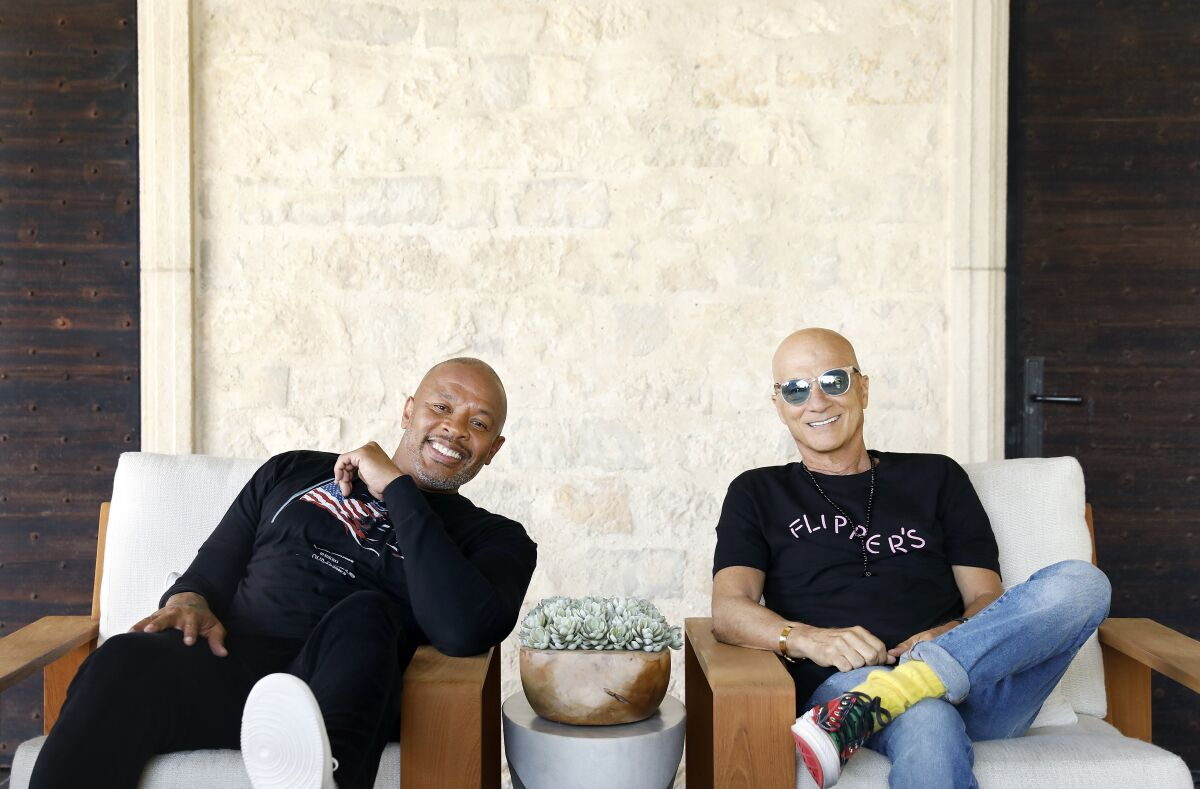
Dr. Dre got interested in music just as the technology of mixing and turntables came online. His mom got him a Numark 1150 mixer for Christmas so he could start mixing and recording tapes to sell to other kids in the neighborhood. His interests and the interests of his time are one and the same.
10 years earlier and he can imagine those beats, but he can’t make them.
Successful geniuses get a lot of our attention. But most of them will admit they never imagined the kind of notoriety they ended up with.
They didn’t game the system to fill their coffers. They followed their interests and mastered their field, and it just so happened that the world shifted around them in a way that made those skills highly valuable.
The story of van Gogh is a sad one. What could have been?
But how many painters even sell a single painting? How many writers sell a single book? How many artists are thought of as geniuses?
So maybe Vincent van Gogh did all right.
He was a genius, the world just didn’t know it yet, so he never knew it either.







What do you think?