Listen to this post: Apple Podcasts | Spotify | YouTube
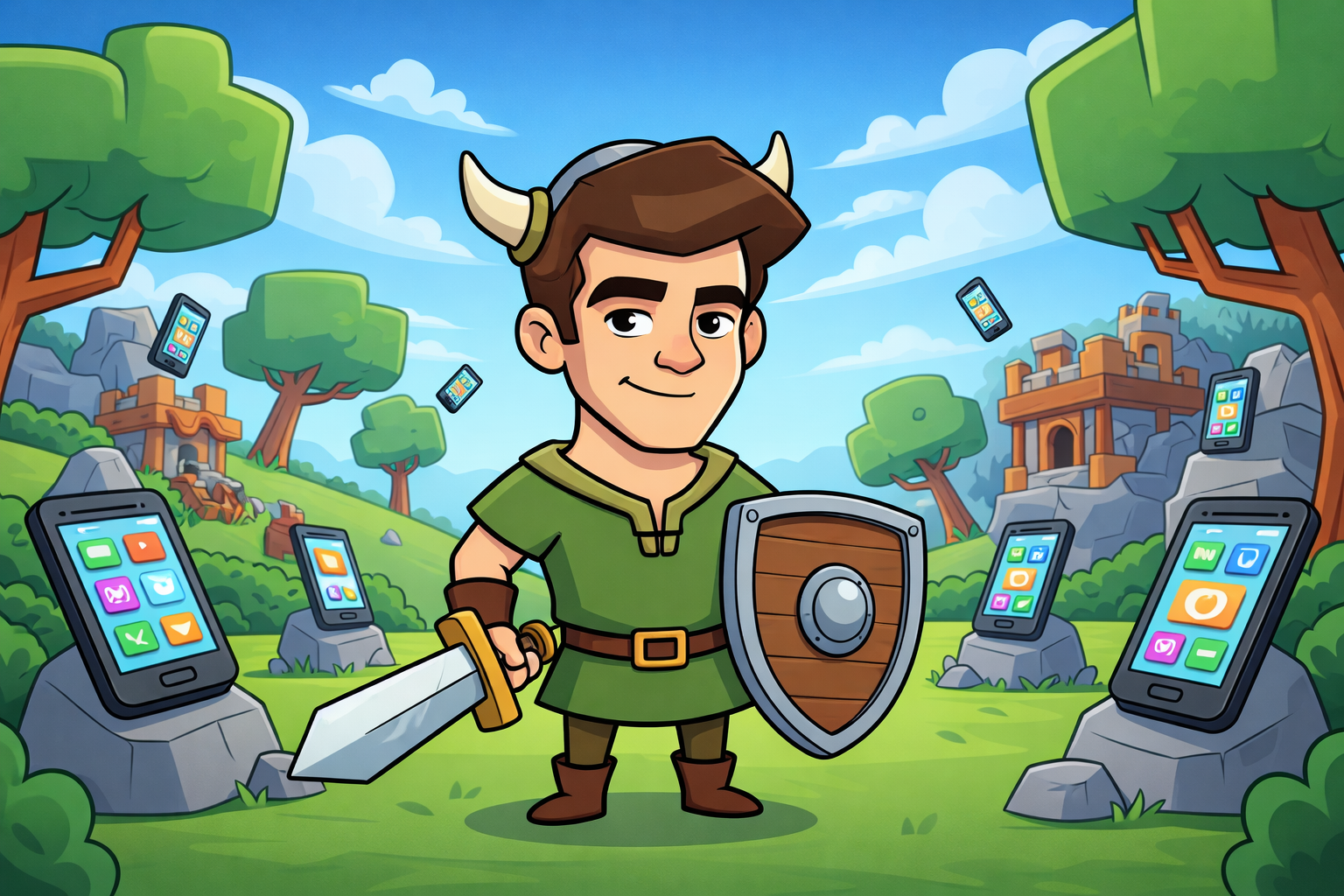
In 2011, at 21 years old, Jack Smith co-founded Vungle, a mobile ad startup that would sell to Blackstone for $750 million seven years later.
At the time, mobile ads were a mess. Developers were cramming tiny banner ads onto small phone screens. They were easily ignored or worse, accidentally tapped—hijacking your experience.
“They obviously suck,” Smith said. “So we’re gonna do video ads.”
But Smith wasn’t just chasing better click-through rates—he understood something deeper. Phones weren’t minicomputers; apps weren’t websites. They were their own world. To succeed in that world, advertising had to feel native. It had to be engaging, not intrusive. Useful, not annoying.
While the industry still leaned on banner ads ported over from desktop sites, Vungle pioneered short, engaging video ads built specifically for mobile. They played smoothly inside apps and grabbed attention in ways banners never could. No redirects, no frozen screens—just a quick clip that fit the rhythm of the session. The technology required developers to integrate Vungle’s SDK, but it was worth it—not just for better results, but because it respected how people actually used their phones.
Still, Smith asked the key question: what was the client really paying for? Views? Clicks? None of those things mattered. What they wanted were installs—someone actually downloading the app.
So Vungle shifted its model. Instead of charging for impressions or clicks, they built a network where advertisers paid only for installs—actual downloads. Publishers earned money every time a player tapped through and installed a new game. A player enjoying Subway Surfers might see a quick video ad for Clash of Clans; the Clash developers paid nothing unless that player actually downloaded it. That one change had a ripple effect: if you’re only paying for installs, the ad better make someone want to install. You can’t afford fluff. You have to show the real thing, fast.

But Smith didn’t stop there.
He noticed something about how game developers marketed their titles: trailers, reviews, flashy promos. Lots of effort—but something was missing.
What converts better than video? The answer was simple: play.
Instead of telling people about the game, just let them try it. One level. One challenge. Let them experience it themselves. If the game is good, it will sell itself. You don’t need to convince people to play—you just need to get out of the way.
The best ad for a game was the game.
It mirrored a shift that had already happened in music retail: when stores let you listen before you bought, guesswork disappeared. Were Deep Blue Something real players, or was it just Breakfast at Tiffany’s? Did Natalie Imbruglia’s Left of the Middle have deep cuts, or was it just Torn?

With Hear Music, and later Blockbuster Music, you could preview the whole album. The guesswork disappeared. Confidence replaced hesitation. People didn’t buy less; they bought more, because the risk was gone.
Before that, people were buying full albums off the hype of a single radio hit. You buy Len’s Steal My Sunshine and expect a whole album of breezy summer bangers… and instead you’re knee-deep in Man of the Year—Canadian anti-capitalist hip-hop expressionism.
Playable ads worked the same way. Instead of trying to convince someone a game was fun, you let them play. Drop a few troops, destroy a base, feel that moment of satisfaction. If they liked it, they kept going. No guesswork. No gamble. The game sold itself.
Industry data shows that playable ads can convert 2–3× better than video and often deliver 30-50% longer engagement and higher-quality installs. When you let people experience the core loop early, you don’t need to persuade them; they’ve already said yes with their actions.
Great businesses solve for customer hesitation by removing blockers. In music, that meant listening stations. In mobile gaming, Vungle used playable ads. In other contexts, it might be a warranty, a money-back guarantee, or a generous return policy.
For story-driven or complex strategy games, where a 30-second demo can’t show the real value, teams learned to remove risk differently—through early access, refunds, or “first chapter free” offers. The mechanism doesn’t matter. The psychology does: understand what’s holding them back, and remove it.
Game developers were signaling something deeper: We’ve been disappointed too. Try it—we have nothing to hide.
Vungle improve ads by giving developers a way to earn trust. When people self‑select after a truthful preview, installs are more qualified, churn is lower, and the experience feels fair. That shift—from pushing harder to removing friction—turned advertising from interruption into invitation.
Smith’s journey shows what happens when you stop focusing on features and start understanding what customers are trying to avoid. Sometimes the best way to sell isn’t to promise—it’s to let them play.
If you enjoyed this post, please share it with a friend.






What do you think?