Listen to this post: Apple Podcasts | Spotify | YouTube
Read: Amazon | Apple Books | Bookshop | Barnes & Noble
Listen: Audible | Spotify
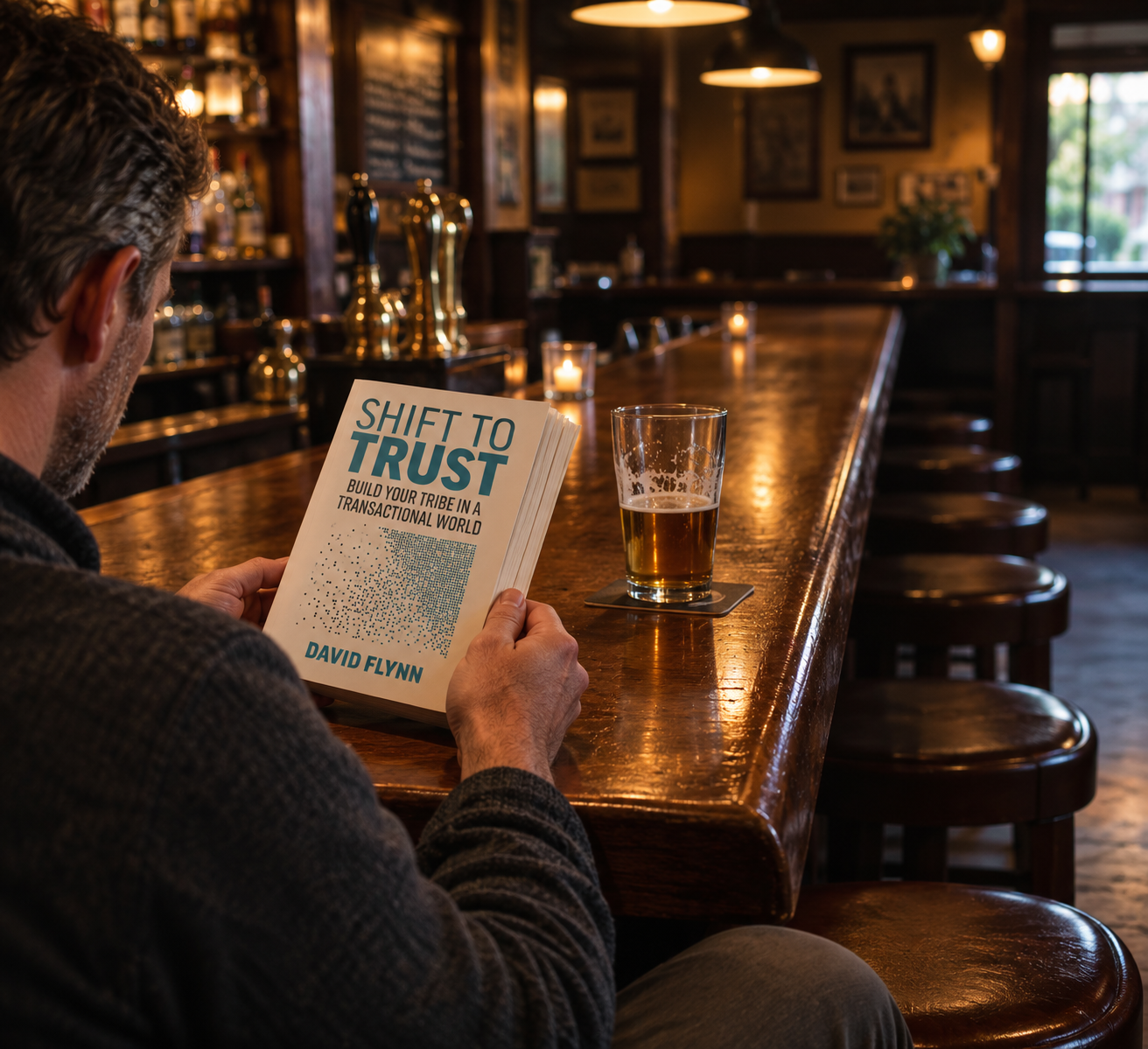
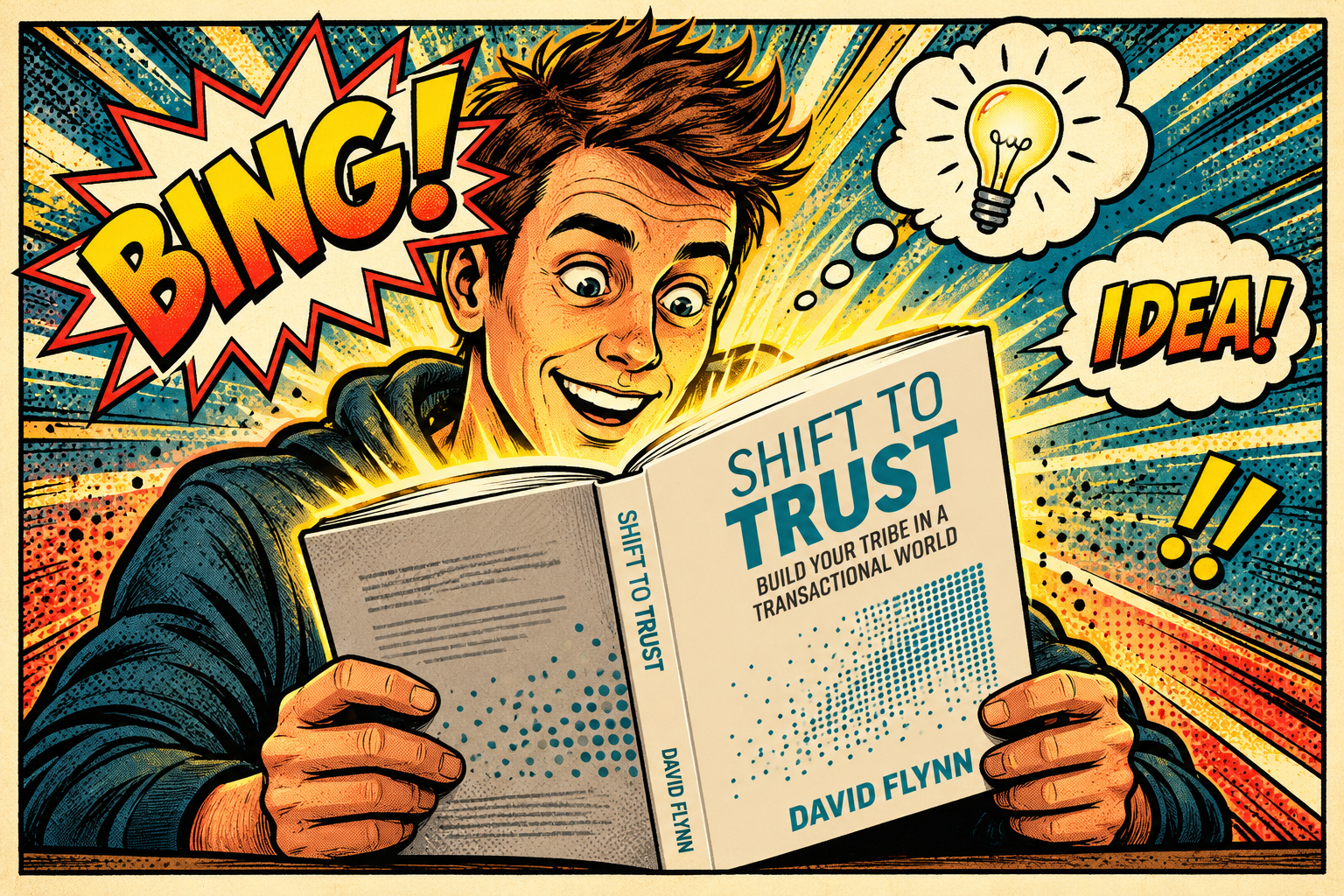
My latest book, Shift to TRUST, is available now.
The full introduction is available in last week’s post. My New Book
Below is a brief interview about the book, about trust, and about me.
Q: Why trust? Isn’t that kind of… obvious?
A: I’ve heard that 94% of Swedes think they’re above average drivers, and 84% of Frenchmen think they’re above average lovers. Mathematically, we know this can’t be true, but the key word is think, and thinking has very little to do with mathematics. I mention that so I can pose a question to you: What percentage of people think they’re trustworthy? I certainly did. No matter what kind of trouble I got into as a kid, I thought I was worthy of trust. And then, as I mention in the book, that trust—or lack of it—was tested, and I didn’t have a great answer. I didn’t understand what made it. So I did what all great writers do when they don’t understand something. I wrote a book about it.
Q: What’s the biggest thing people misunderstand about trust?
A: There’s this popular piggy bank idea—little deposits of trust adding up over time—and it’s just not so. Those deposits give you a feeling of trust, but they’re not the real McCoy. Capital-T TRUST has more to do with track record, empathy, and belonging. It’s a messy topic. People are warned about loaning money to friends and family. Why? They say they trust them, but the reality reveals something different.
Q: What’s the difference between trust and just being nice?
A: We had a saying at my frat house: a good friend doesn’t always make a good brother. That holds true here. You think someone is nice, you think they’re fun, a good hang—great. But trust is so much more. You can’t be a flake. You can’t just show up when things are going well. The characteristics of a trusting relationship go much deeper than niceties.
Q: You spent twenty years in consulting. Did you actually trust your clients?
A: I sure didn’t.
Maybe that’s too harsh. I trusted some of them, and most had some characteristics of trust. But uppercase TRUST? No, not really. And it was an interesting landscape, because while many of them didn’t trust me with their business—despite my efforts—a huge group of them were completely untrustworthy themselves. We talk a lot about earning a client’s trust. Fair enough. But some clients aren’t trustworthy either. That’s part of the equation nobody likes discussing.
Q: Who do you trust?
A: Uppercase TRUST? Fewer people than you’d think, but more deeply. It all falls on a spectrum, not in ones and zeros. I’m open to trust—I default to it. But my eyes are open, and as the shifts reveal themselves, they can knock people down a few pegs on the old trustomatic scale. My focus is on earning and deserving, and I think if I act that way, I can set the pace and breed more trusting relationships for myself and inside my community.
Q: What surprised you most while writing this?
A: How much overlap there is between the shifts. Many of the examples inside one shift could easily live inside another. That wasn’t by design—it’s just the nature of trust. Those who are out building it are doing it in a number of ways, all at once.
And the extent to which these shifts are two-way streets. A client will get much better service if they build a trusting relationship, but we often see it running only one direction—service providers jumping through hoops to earn that lowercase-t transactional trust. As Munger says, the best way to get a good wife is to deserve one. Same goes here.
Q: You wrote a book about cold emails first. How do you go from cold emails to trust?
A: Passing Notes to Strangers was about opening doors. This one’s about what happens after you walk through them.
Q: What’s the hardest part of writing a book like this?
A: Constantly asking yourself, is this true? You have a point of view, a perspective, and it works—but is it true? It better be.
Q: Who’s this book actually for?
A: Leaders. Salespeople. Coaches. Founders. Parents. Partners. Anyone who’s ever wondered why some relationships hold and others don’t.
So… most of us.
Q: You coach Little League baseball. What does that have to do with any of this?
A: The old saying—they don’t care what you know until they know that you care—is shorthand for: they aren’t going to trust you, or anything you say, until you show them you deserve it. How do you show them? Transparent feedback. A solid, earned reputation that you continue building with them. Understanding of their specific needs, on and off the field. Solutions to their problems—don’t just hype them for travel ball, help them get better. And a tribe, man. A team. Build it.
Q: Tell the truth—did you come up with all these questions yourself?
A: I sure did.
I hope you enjoyed the Q&A. And if you did, if you found yourself thinking and wondering about trust the way I have these past few years, I hope you will check out the book.
Read: Amazon | Apple Books | Bookshop | Barnes & Noble
Listen: Audible | Spotify
If you enjoyed this post, please share it with a friend.





What do you think?