Nike sells shoes, but they are not a shoe company. Not anymore.
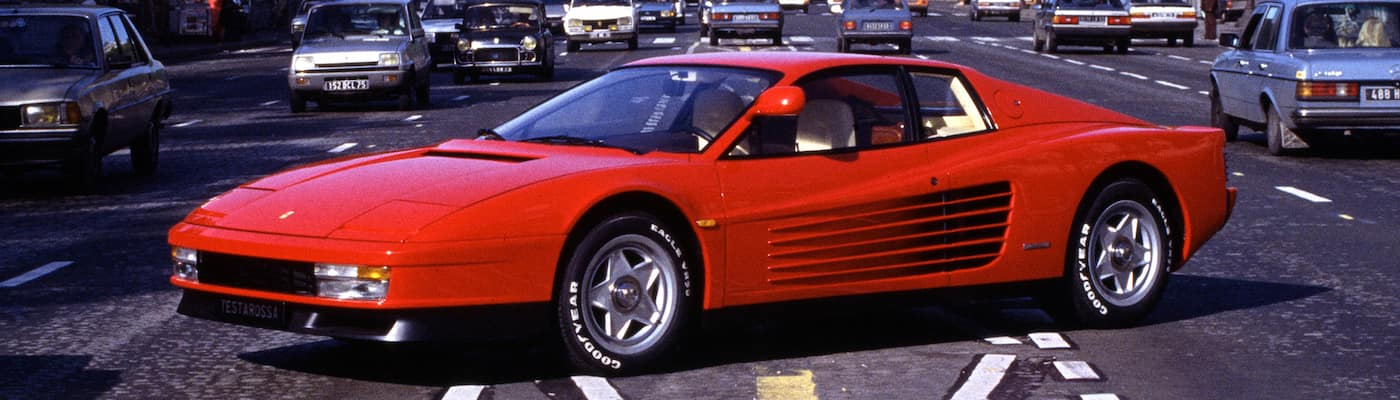
Ferrari sells cars, but they are not a car company, never were.
Rolex. Yeti. Apple.
These companies do something different. They stand for more than the products and services they sell.
That’s branding.
Benedetto Vigna is the CEO of Ferrari, and I’d call him the Chief Branding Officer as well. He talks about selling “emotion and experience,” not just selling cars.

Nike sells community more than they sell shoes these days. Affiliation. Tribe. Belonging. “People like us do things like this,” and we do them in our Nike clothing, with our Nike shoes, listening to our Nike playlist, while we track it all with our Nike Apps. It’s a lifestyle.
“The Grateful Dead teaches us that building a community and treating customers with care and respect drives passionate loyalty.”
Marketing Lessons from the Grateful Dead
What does your company sell? A product, a service, or is it more?
You can sell transformation and outcomes. You can sell transparency, honesty, and trust. And you can sell community, status, and values.
But if you can sell all of them, shoot, most of them even, you’ve really got something. You’ve got a brand.
Can it go wrong? Hell, yes it can. If you don’t find the audience, if you reach just a bit too soon, you end up with Flam.
But if you get it right, that brand can carry your business. It can carry it through that next crisis, that next down quarter. It can carry you through bad management, poor product launches, and labor issues.
But not for too long, so don’t get cocky.
A good brand will take your business past bits and atoms. It can help you avoid commoditization, the race to the bottom, but you need to build something people will connect with. Something they will remember.
Back to that emotion and experience. You need to build something that leaves customers with a feeling.
Can we look at a few more cars together? Some ugly ones?
The Prius was the first mainstream hybrid car, and it sold affiliation that was easy to spot on the streets. Drivers felt connected, part of a tribe, and you’d see that ugly ass car all over the place. Nobody cared what it looked like, because that little guy was saving the polar ice caps, and saving the polar ice caps feels really good.
Tesla is pulling on that same string later this year with the Cybertruck.
How about we look at Volvo? They were pretty ugly back in the day as well, but it didn’t matter, because they were selling safety. It might have been based on crash data, but they were selling a feeling of safety. The brand is so strong it makes drivers feel safer when they are in a Volvo. It’s “the car that looks after you, like you look after others.” That’s quite a feeling.
Brands are strong moats to your business. How many Volvos would need to crash, how many people would need to get hurt before we start wondering if our feelings are all wrong about them?
Maybe cars aren’t your thing, let’s go to the movies.
A strong brand can help accelerate growth and protect against churn, because we hold those feelings tight. As I mentioned above, it’s hard to talk someone out of a feeling, even with new evidence. Memories from a family trip to Disneyland don’t fade to dust because they released John Carter. More likely, that trip locks you in, and you’ll see the next one no matter what. Because people like us, do things like this, even when it sucks.

Most often, the diminishment of a strong brand takes years of neglect and mismanagement. Something that alienates their core customers. After all, if your brand is built on community, affiliation, and tribe, the customer becomes part of the brand.
Remember FUBU?
If Ferrari wanted to “broaden the base” by releasing a compact commuter car, they’d alienate their customers, they’d break their trust. But a high-end motorcycle? Sure.
You can nudge someone’s worldview, but you can’t change it all together. Not overnight.
Coach made the mistake of trying to go mainstream, trying to be all things to all people, and then they got smart and reverted.

If the brand still has a heartbeat, it can be revived, with proper care and feeding.
You lose your brand when you lose your customer. When they move on to another. They replace you. Keeping a brand intact from the early adopters on through to the mass market is difficult. Maybe impossible.
Affordable luxury? Apple did it. But they’ve changed too.
So maybe the idea is to keep A strong brand, but not necessarily keep THE strong brand. Your company grows, and the brand does too. Holding on too tightly, after crossing the chasm, may impact your ability to reach the people you seek to serve. And isn’t that the point?
At some point, Green Day had to leave 924 Gilman Street, they were on a path from Dookie to American Idiot. Playing Woodstock and selling out stadiums.

But as it turned out, Gilman banned them first.
Apparently, the punk scene and arena rock shows are at odds with each other. Green Day had to make a choice, and so did Gilman.
Eventually Gilman lifted the ban and let Green Day back in. Why? Because as upsetting as it was to see Green Day “sell out” and bigtime the club, they still felt something. They were part of the same tribe. They had shared experiences and history, and that’s the kind of feeling that is hard to walk away from.