“In 1977, there were sixteen of us and my brother was general manager,” Kris Tompkins recalled. “In 1979, my brother quit and Yvon didn’t want to run the company — he wanted to climb and surf and all those things.
“So, he gave me the companies, saying in effect, ‘Here’s Patagonia. Here’s Chouinard Equipment. Do with them what you will, I’m going climbing.’”

Thompkins was a co-founder of Patagonia, and she had just become its accidental CEO. But it was her next move that would set the tone for her company, and her style of leadership.
“I had no business experience, so I started asking people for free advice. I just called up presidents of banks and said, “I’ve been given these companies to run, and I have no idea what I’m doing. I think someone should help me.”
Maybe this isn’t the type of leadership you’ve been around, but yes, the ability to escape your own ego and ask an expert for help, is a leadership trait we should all aspire to.
Lewis and Clark could have pushed forward to the Pacific without the aid of Sacagawea. But that sounds hard, right? And foolish? So instead of making their life harder and being more foolish, they enlisted an expert to assist as a translator and guide.
Seems like a reasonable approach to me.
But sometimes, that seemingly simple act of admitting what you don’t know is the hardest part. Whether it’s leading a business or exploring the west.
Thompkins said, “If you just ask people for help – if you just admit that you don’t know something they will fall all over themselves trying to help.”
Patagonia thrived under that type of leadership.
Part of this equation is that voice in your head telling you that people don’t want to help you. Telling you they don’t have time to help you and you’d be a fool to even suggest it.
That voice is wrong.
Dale Carnegie discusses something called the Ben Franklin Effect in his bestselling book How to Win Friends and Influence People. This is the underlying psychology that is triggered when we ask someone for a favor. Carnegie interprets the request for favor as “a subtle but effective form of flattery.”
When we ask someone for a favor, we suggest they have value. They have something we don’t. That can feel good. It’s a sign of respect. Our willingness to admit that we need what they have raises their opinion of us and makes them more willing to help.
When you approach a coworker and say, “You’re a great writer. Do you mind giving my email a quick read?” you’re breaking down a barrier with them. You’re giving them a compliment. Stroking their ego.
When Kris asked the bankers for advice on running Patagonia, she triggered the same effect. It works even if they don’t know you or don’t particularly like you.
Coming clean about what you don’t know is actually a great way to build trust.
Don’t be embarrassed by what you don’t know.
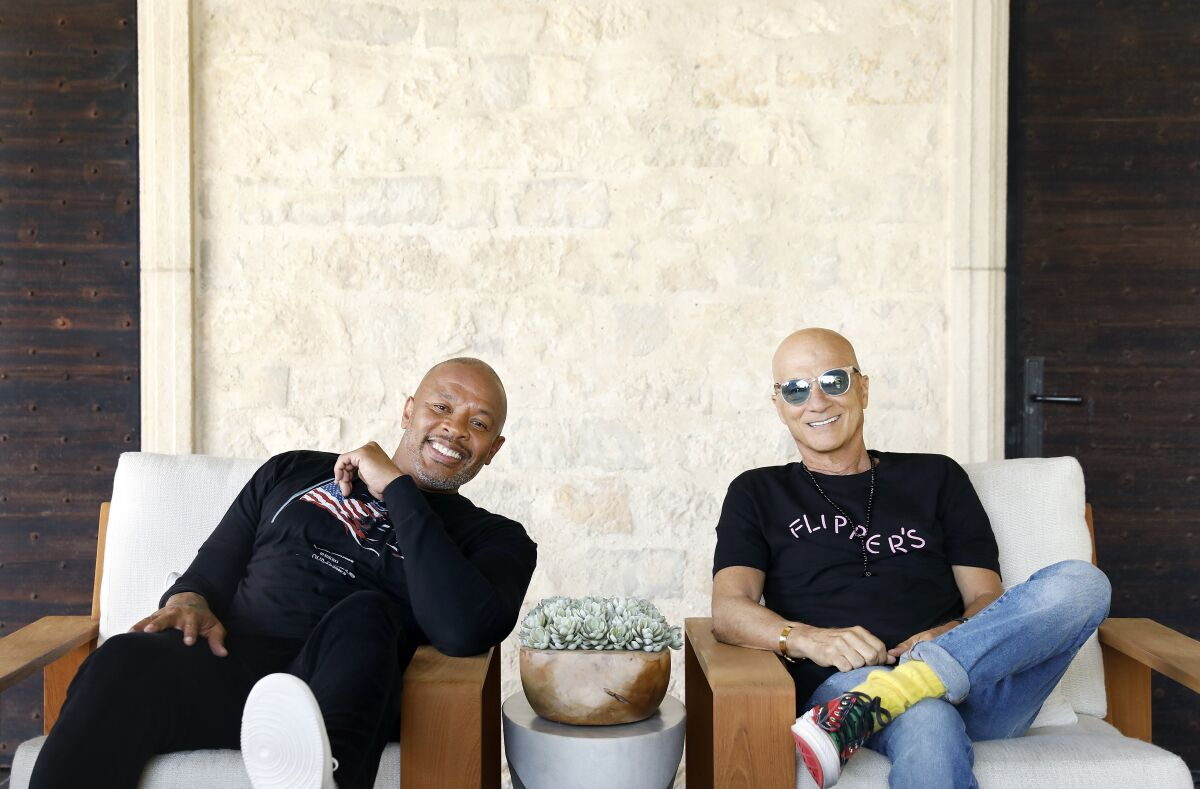
At 21, Jimmy Iovine was acting as lead engineer for his mentor Roy Cicala, who was out on parental leave.

Jimmy was doing all the overdubs for John Lennon on his album Walls and Bridges.
It was 1974, Elton John was huge, and Lennon was having him into the studio to record harmony vocals on ‘Whatever Gets You thru the Night.’
Jimmy recalled, “We’re recording the vocals, I’m saying to myself, I never really recorded a piano without Roy. I hope Elton doesn’t play the piano. They’re facing each other [Lennon and Elton John], with these two dynamic microphones. And I hear Elton John say, ‘Let me try piano.’
I had to remember how I set it up for Roy. And I just did that.
Elton walks in [to the booth] and he says, ‘Hey, great piano sound.’ And Lennon says, ‘That’s why we use him’, you know, because he knew I was nervous. But he [Lennon] would just give me a shot at anything and everything. It wasn’t because I was talented. It was because he liked me. And he felt he could trust me.
I learned. Don’t be embarrassed by what you don’t know. Because it’s charming, and it’s open, and it’s honest. And the people around you would rather hear you say you don’t know.”
The Idol Effect is working its magic on John. People love to pick their winners and watch them come in. He trusted Jimmy and had no problem boosting him up, but he also wanted to tell Elton John that his guy, the one he’s been nurturing, was a terrific pick. His ego and status felt a charge, like someone telling you your kid brother is not really that annoying.
Most people, including bloggers, have insecurities about what they don’t know. Instead of asking, I’m tempted to be a know-it-all. Inevitably missing something and making mistakes.
But the biggest mistake is not in the immediate moment. It’s the lost opportunity to learn. And for Jimmy, it was an opportunity to learn from one of the greats. Can you imagine leaving those sessions having learned nothing from John Lennon? Simply because your ego wouldn’t let you admit what you didn’t know?
Kids, at least my kids, do this thing when they don’t know something. They get defensive and frustrated. And then, inevitably, they cry. I don’t think I taught them that, but it happens all the time. I think it’s natural. It’s natural to feel discouraged when you don’t know, which is why you need to make the conscious decision to admit it and ask for help.
And those that can help need to be supportive, and nurture that type of discomfort, like Lennon did for Jimmy Iovine.
If you are not able to identify what you don’t know, you open yourself up to a lot of risk. Kris Thompkins would have risked the company, and we might not have Patagonia today. Iovine would have risked the album, and his relationship with John Lennon, and we probably wouldn’t have Interscope Records today.
Warren Buffett said, “What counts for most people is not how much they know, but rather, how realistically they define what they don’t know.”
And the best way to avoid those big mistakes is by turning to experts, hat in hand, and asking them for help. Being transparent about what you don’t know.
It’s charming, and it’s open, and it’s honest. And people will fall all over themselves trying to help.
The Ben Franklin Effect is discussed in my book, Passing Notes to Strangers. You should grab a copy, or stream the chapter on Spotify.
If you enjoyed this post, please share it with a friend.